Oct–Nov 2026

What Is Graph Engineering?

People talk about graph engineering with a certain reverence. After reading a few industry articles and trying it myself, my definition is simple. You break a large problem into small tasks and get a swarm of agents to work towards the same goal. The graph shows which tasks can run together, which need an earlier result, and where the work comes back together to be checked. Defining the requirements I was trying to clean up a product I was working on. Its codebase had grown to about 45,000 lines, and I thought we could deliver the same functionality in roughly 10,000. There was a lot of redundant code and unnecessary complexity, so I decided to refactor it. Fable mapped the architecture by spinning up several Opus subagents (one per part of the platform). Each read its share of the documentation and sent back a summary of how that part worked and what it connected to. Fable could follow the whole system without loading every document into its context window. Fable then sent a second group of agents to check the platform. Were the APIs returning what the frontend expected? Was the same data being stored twice? Were different parts of the code doing the same job? The agents created a Trello card for each issue they found. Breaking down the work Say the audit turns up 400 possible points of failure. Fable groups them by what they affect and works out which groups need attention first. Several broken screens might all depend on the same API. Fixing it first tells the agents which screens still need work. Changes to the architecture and core flows come first for the same reason. The UI audit and documentation are more useful once those changes are in place. For platform upkeep, the phases might look like this. Phase 1: Fix bugs. Reproduce failed requests, fix the cause and check the response. Phase 2: Simplify the architecture. Clarify which part of the system owns each responsibility, then fix dependencies and interfaces so changes do not have to be repeated across unrelated parts. Phase 3: Consolidate duplicate features. A new feature can replace an older one on another screen while both remain in the product doing the same job. Choose the version to keep, redirect the old entry points and callers to it, and remove the duplicate UI and code. Phase 4: Test core flows. Submit a form, reopen the record and edit it. Try invalid input as well. Phase 5: Consolidate code and UI. Move shared logic into one place, standardise the components and document the finished flow. Within each phase, Fable identifies which tickets can run in parallel and which have to wait. Each ticket specifies the prompt, inputs, expected output, complexity and subagent to use. The acceptance criteria say exactly how to check the result (for an API fix, the response a particular request should return). Executing the work One Fable chat coordinates the project. I use that chat for an overview (what tickets are coming out of the audit and where the work is concentrated in the codebase). Fable handles the individual assignments. Assign the work. Fable opens worker chats for the tickets that are ready. Independent tickets start together. Check each result. The worker checks its output against the ticket and reports back. If a check fails, the worker fixes the issue on that ticket. Start dependent tasks. Fable records completed work in Trello (Notion works too) and passes the results to the agents that need them. Release the phase. Fable checks the combined changes against the phase criteria. Once they pass, it closes the phase and starts the next one. The future of graph engineering Graph engineering reflects how engineering teams work in real life, including the design, testing, QA and analysis involved. Its future could include better tools for managing this work: building the steps visually, seeing how they connect and understanding the workflow more intuitively. I think engineers will become team leads, each managing a swarm of agents. Their job will be to keep the agents working efficiently, remove roadblocks and restructure the graph when the work needs to be divided up differently. Longer term, I think the agents will get better at organising the work themselves. Given a goal, access to the code and a way to test it, they could decide how to divide the project and adjust the plan as they learn. One person could then build and maintain a complex platform without writing the code. Their job would be to set the objective, check that the agents are solving the right problem and judge whether the process is efficient.
Everyday AI

I like to think I’m one of the more advanced users of AI. People ask me how I work, what tools I use and how I manage several projects at once. Sometimes I have work to do. Sometimes I just want to see if something is possible. TV setup. I cleaned up my Redmi TV and built a dashboard. Startup dropped from 17 seconds to 8. I remapped the remote so my launcher, dashboard, gaming PC and Apple TV are each one button away. Product testing. I used AI to document the entire Japan Habba exhibitor platform: who uses it, what each person can do and how a submission moves from exhibitor to reviewer. Those flows became tests we can rerun whenever we add a feature. Rainwater research. Could a homestead outside Bengaluru get through the dry season on rainwater? I used monthly rainfall data to build a calculator. I can change the tank size or collection area and see when the water runs out. My Work Stack AI: $200 ChatGPT and $200 Claude Wispr Flow: I press one button to start talking to my computer. I can spend five or ten minutes reviewing a website out loud, then put my cursor in the chat box and stop dictating. All my feedback goes straight into the chat. Composio: Composio connects my email, social accounts and other tools to my AI. When Instagram, X or YouTube blocks a direct visit, I can still ask who posted what and use Composio to pull the available posts or transcripts. Notion: My prompts, workflows, research and project notes live here. Obsidian would work just as well for me if its MCP connection gave the AI the same ability to find, read and update my work. Deployment: GitHub for code, Vercel for deployment, Supabase for the backend. I develop in the cloud because five agents working on five projects can make my MacBook Air or iMac unusably slow. Prompts Most of my work falls into two modes. I use ChatGPT in Work mode for productivity and Codex for engineering. Each has its own prompt and reads the relevant workflows from Notion. Productivity Core Prompt Short replies. AI writes too much. If three paragraphs can be said in two sentences, give me the two sentences. Find the workflow. I want to say “write a PRD” in a fresh chat and have the AI find my process and the project notes. I should only have to explain what’s new. Finish the task. Make the edit, check it and send me the link. Ask me if the edit changes what I’m committing to. Update my to-dos. When the context changes significantly, update the original to-do with what changed and what is left to do. Once the work is complete and checked, find the matching item on my lists and mark it done automatically. Reassess the approach. Periodically check what we are trying to achieve and why, especially when the context changes. Flag anything obvious I have missed or suggest a better way to reach the goal. Productivity Related Workflows I cannot put the instructions for every task into my core prompt. It becomes too long, and the AI stops following it reliably. Instead, I keep the steps for specific tasks in separate workflows. When the core prompt recognises the kind of work we have started, it directs the AI to find the relevant workflow and follow its steps. Here are some of the workflows I use often. Product requirements: I talk through the idea. The AI asks who will use it, what they need to do and what happens when something goes wrong. Those answers become the product requirements document (PRD). Writing voice: I collected 100 examples of each type of interaction from my WhatsApp and email history. When I need a client follow-up, the AI can refer to how I’ve actually written one. Daily brief: My agent reads WhatsApp’s local message folder hourly and checks email and open tasks for anything I still owe someone. I review outgoing messages before it sends them through WhatsApp Web. Visual choices: My Lookbook puts design options side by side. I can pick the typeface from one and the layout from another in a single round of feedback. Engineering Core Prompt Define success. Read the code and agree on what should happen. If I edit a value, save it and refresh, I should still see the new value. Small fixes. Make the smallest readable change and run the check that would catch the original problem. Medium tasks. Split independent pieces among subagents. One can trace the API while another checks the screens that use it. The main chat checks their findings together. Large projects. I use graph engineering when the work is too large for one chat. A planning chat puts the steps in dependency order. Each step gets a card with its scope and tests, and its own execution chat. I start the next chat with the verified result and handoff from the previous one. Delivery. Check the change locally, update the affected documentation and give me the staging link. For visual changes, show me desktop and mobile. I decide when it goes live. Engineering Related Workflows Product review: I review each screen by role and state. For Japan Habba, I could compare the exhibitor homepage on desktop and mobile, then open the artwork or food-menu upload screens and give feedback on each. Japan Habba exhibitor portal. Desktop and mobile views above, alternate screens below. Browser testing: The test cases live with the code. A smoke test covers the basics, a detailed run follows each role’s main journeys, and a full run checks every known action in scope. The AI tests what each role can change and whether a save survives a reload. I get the passed, failed and untested cases, with a screen-by-screen report when I need one.

A month of talking to ChatGPT

I went through my ChatGPT chats over the last month to see what my days actually looked like: when I was using it, what I was doing, and how much time I spent in work mode. P.S. Unfortunately I have a Claude account as well and a lot of other work also happens outside of ChatGPT.

Tanishk Sharma@tanishkjsh

Great content by one of my favorite creators. I finally understand the origins of the industry where I have spent the first decade of my career! We have been standing on the shoulders of giants all along...

Tanishk Sharma@tanishkjsh

Serbian youth force their autocratic leader to declare defeat.

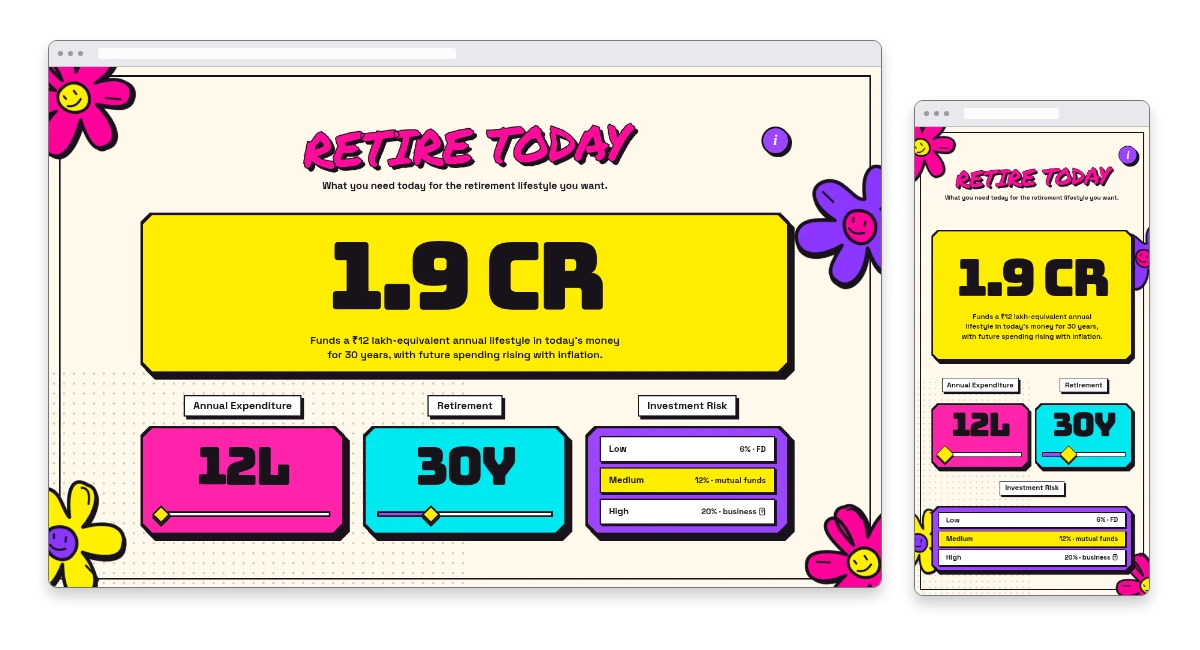
Desktop and mobile previews of Retire Today

Retire Today

Work out the savings your retirement needs.

Version
1.0.1
Updated
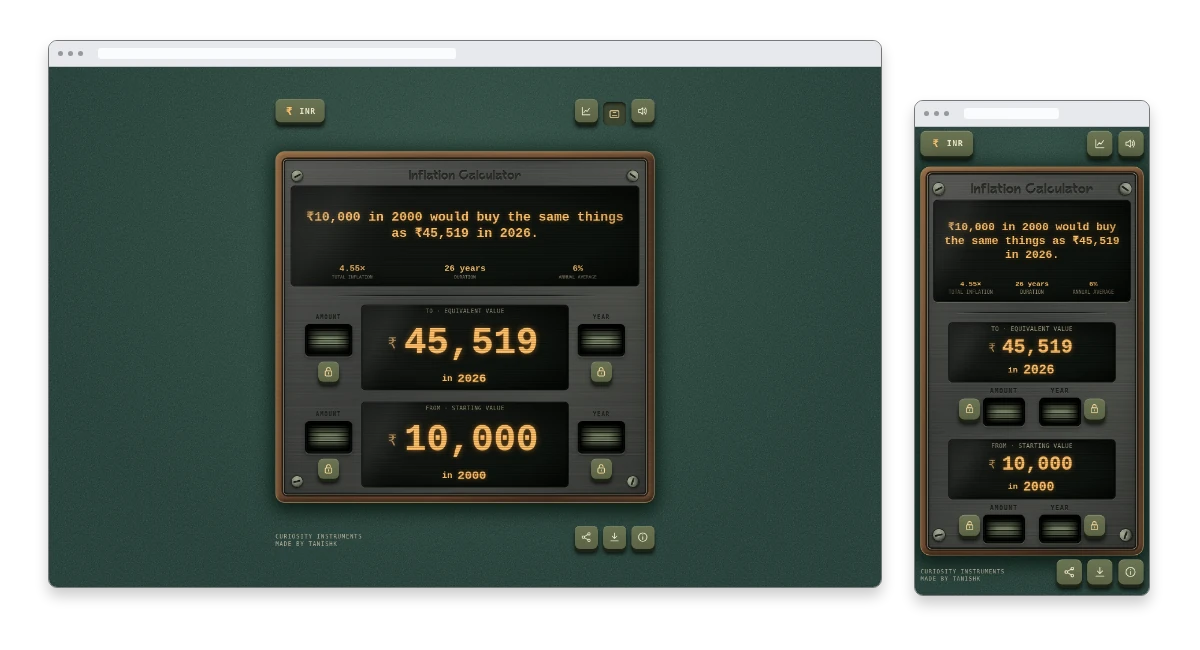
Desktop and mobile previews of Inflation calculator

Inflation calculator

See what your money buys, from 1960 to 2076.

Version
2.0.0
Updated
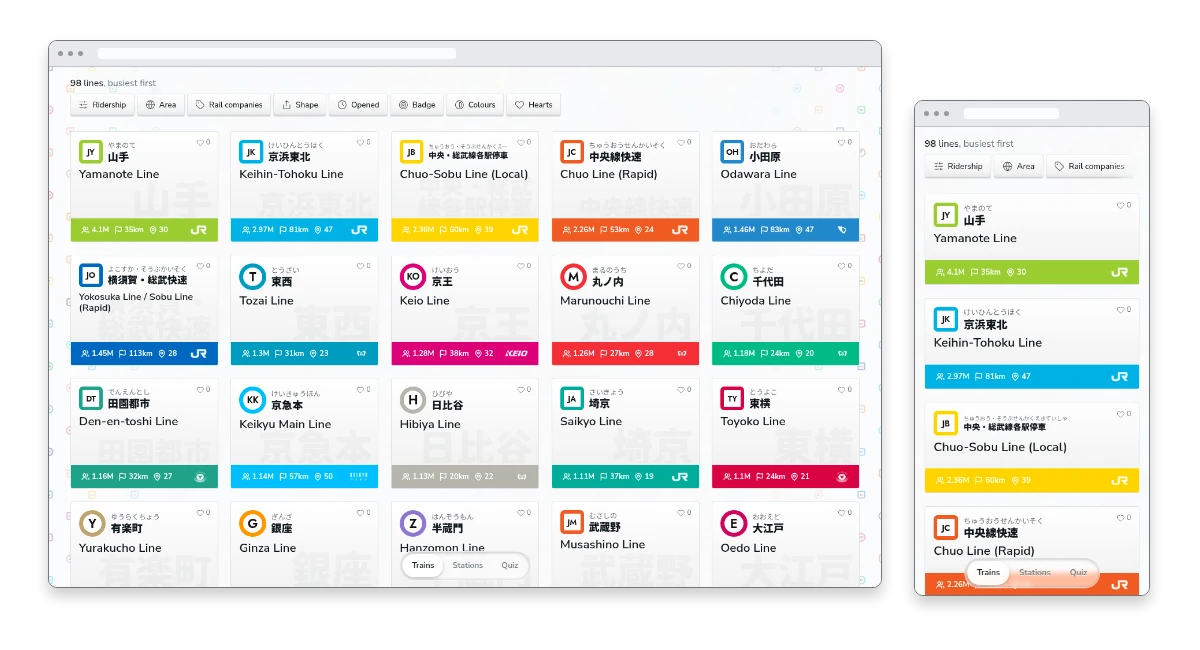
Desktop and mobile previews of Tokyo by Rail

Tokyo by Rail

Explore Tokyo’s rail network, one line at a time.

Version
1.0.1
Updated

Jun–Sep 2026

Tanishk Sharma@tanishkjsh

This changed how I thought about my role as a creator. Finding purpose in life is a trick. This video is made to bring you one step closer.

IntNex

Intnex started with an acquaintance bringing me an idea around using AI to evaluate exams. At first, my role was simply to talk it through with them: what the product actually was, whether the technology could solve the problem reliably, whether anyone would pay for it, and whether there was enough there to justify building a company. They decided to pursue it, and I became a mentor.

Tanishk Sharma@tanishkjsh

Ignore the thumbnail, this is why China is a global superpower.

Tanishk Sharma@tanishkjsh

Every founder unlocks their domain expansion eventually, usually by the fourth loss-making startup. Mine is Unlimited Runway: a barrier technique that traps you in a 2BHK hacker house in Koramangala where every bed is a bean bag, every wall is a whiteboard, six founders share zero revenue, and rent is paid in equity. My cursed technique is announcing a sovereign LLM for Bharat, then shipping a ChatGPT wrapper that burns 4x more cloud credits than the subscription revenue. The only escape is a successful exit. We are pre-revenue, pre-idea. Nobody is leaving.

Tanishk Sharma@tanishkjsh

Everyone knows Palantir is an important company. Here’s why.

Mar–May 2026

Tanishk Sharma@tanishkjsh

Our everyday purchases depend on ships being able to travel safely across the world. Understanding who maintains that security helps explain a lot of geopolitics.

Tanishk Sharma@tanishkjsh

Understanding how chips are made reveals how deeply countries depend on one another, even for their most strategically important technologies.

Tanishk Sharma@tanishkjsh

Understanding the restrictions Indian businesses operated under for decades helps explain why India fell behind much of Asia.

Tanishk Sharma@tanishkjsh

We often judge economies by the size of their biggest companies. This video explains what that comparison misses about competition, opportunity and quality of life in Europe.

Tanishk Sharma@tanishkjsh

People say everything went downhill after Reagan. Here’s how to understand that sentiment better.

Tanishk Sharma@tanishkjsh

This video helps explain how smaller agricultural regions can outperform much larger ones with more land and favorable weather.

Three international trade fairs

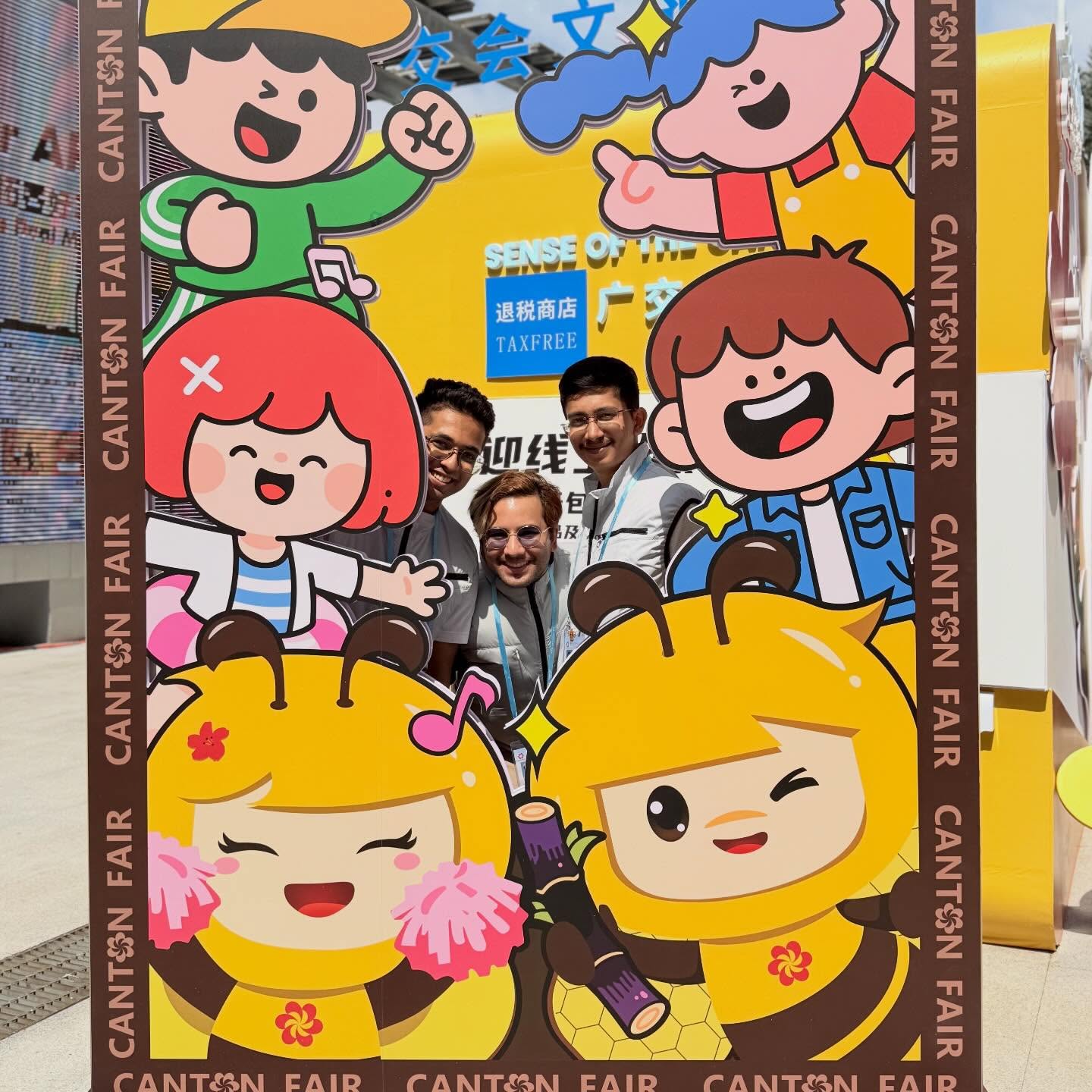
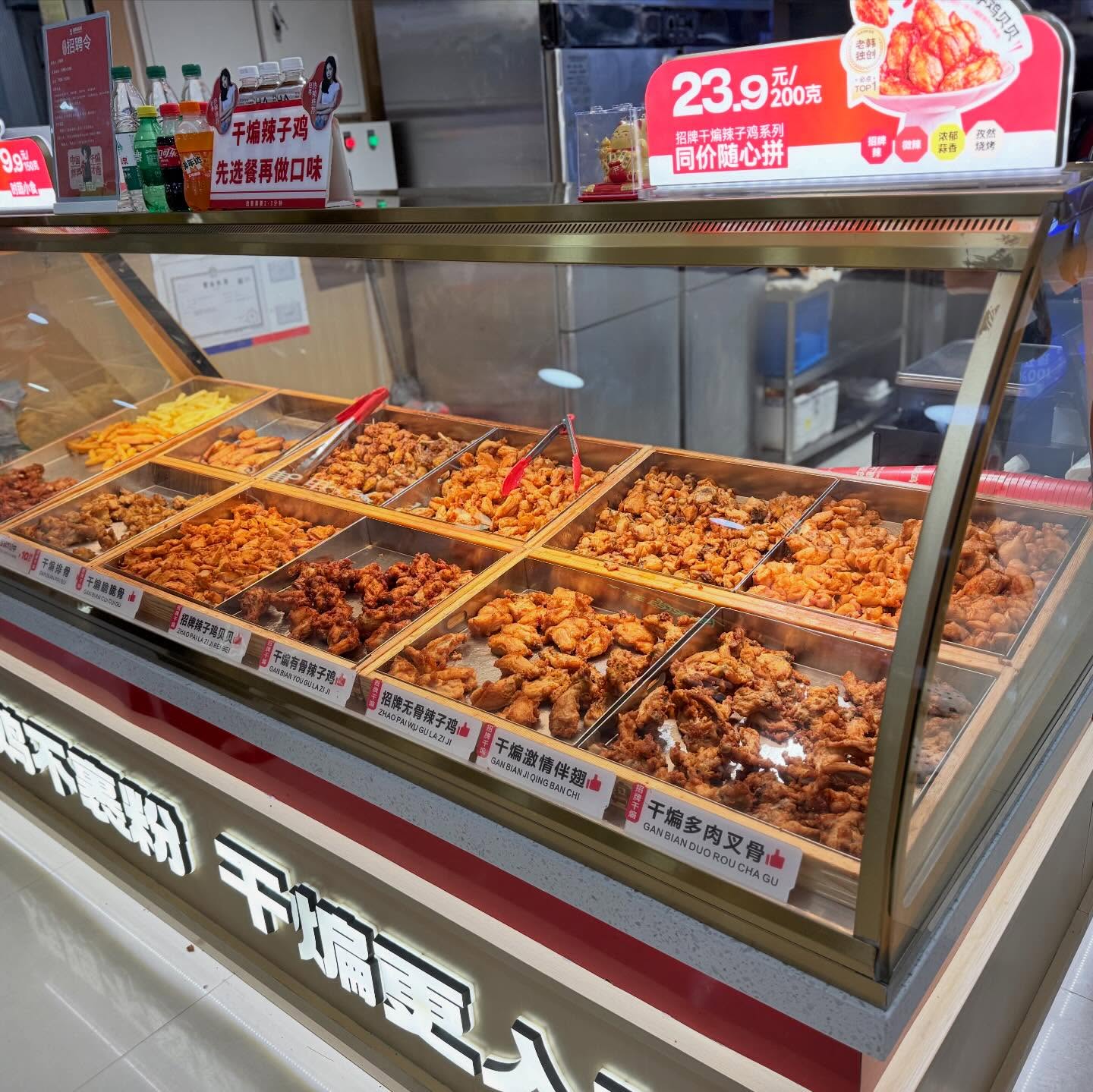
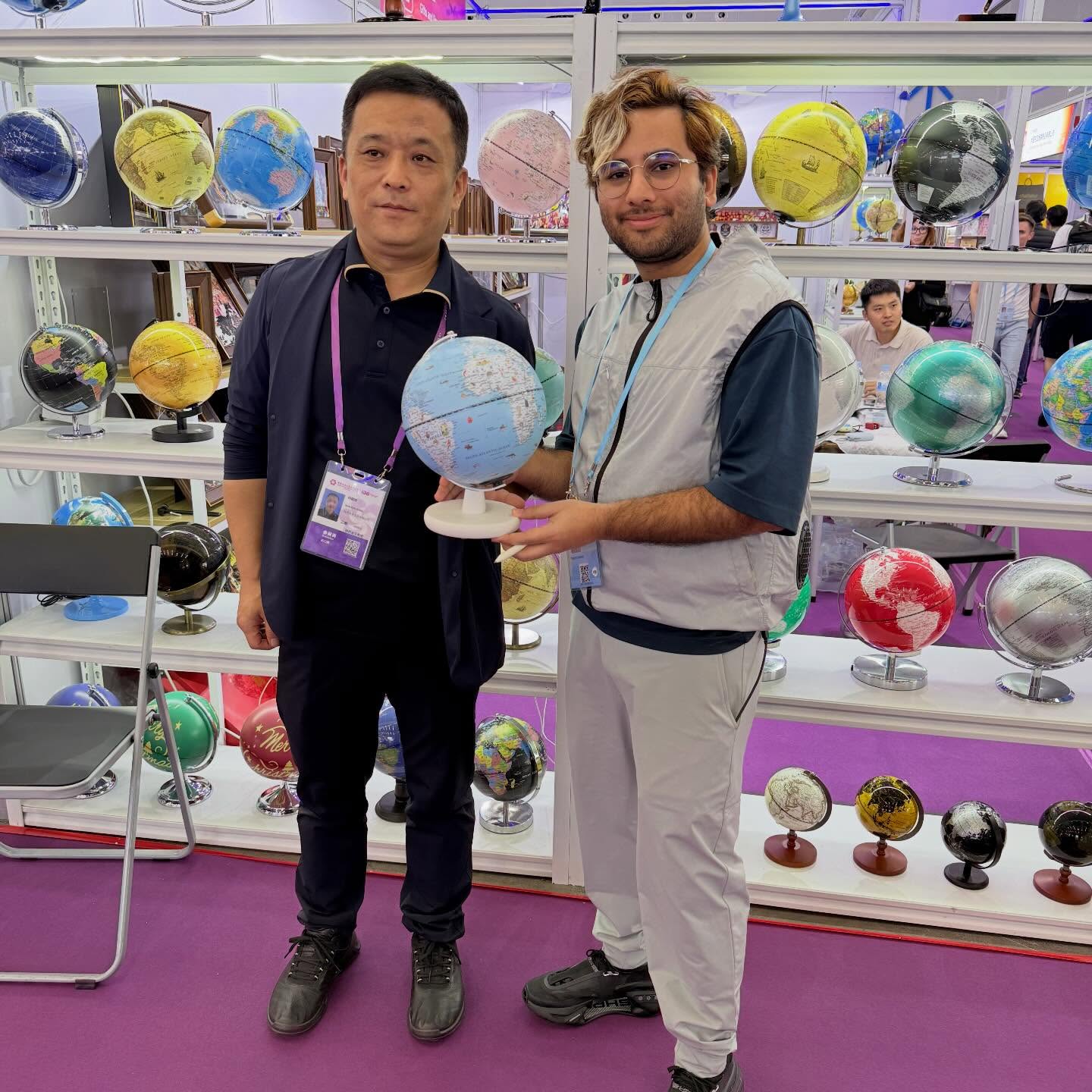
Most of my career had been in startups and IT around Bangalore. During our second pivot at NeoHumans, we started building AI toys. That took me to the Canton Fair in China in late October 2025, followed by the Nuremberg and New York Toy Fairs in January and February. Three very different markets in about four months. We went to find suppliers, present our products and make connections, and got a fairly thorough education in international business along the way.

May–Dec 2025

Tanishk Sharma@tanishkjsh

They say there are developed economies, developing economies, Argentina and Japan. This is a closer look at what makes Japan so unusual.

Tanishk Sharma@tanishkjsh

Understanding global trade is fundamental to understanding how society works today.

Tanishk Sharma@tanishkjsh

Shipbuilding shows how decades of investment, training and government support can concentrate an entire industry in a few countries.

Tanishk Sharma@tanishkjsh

This explains how finance can reward rising asset prices more than investment in productive businesses.

Minna Shuugou

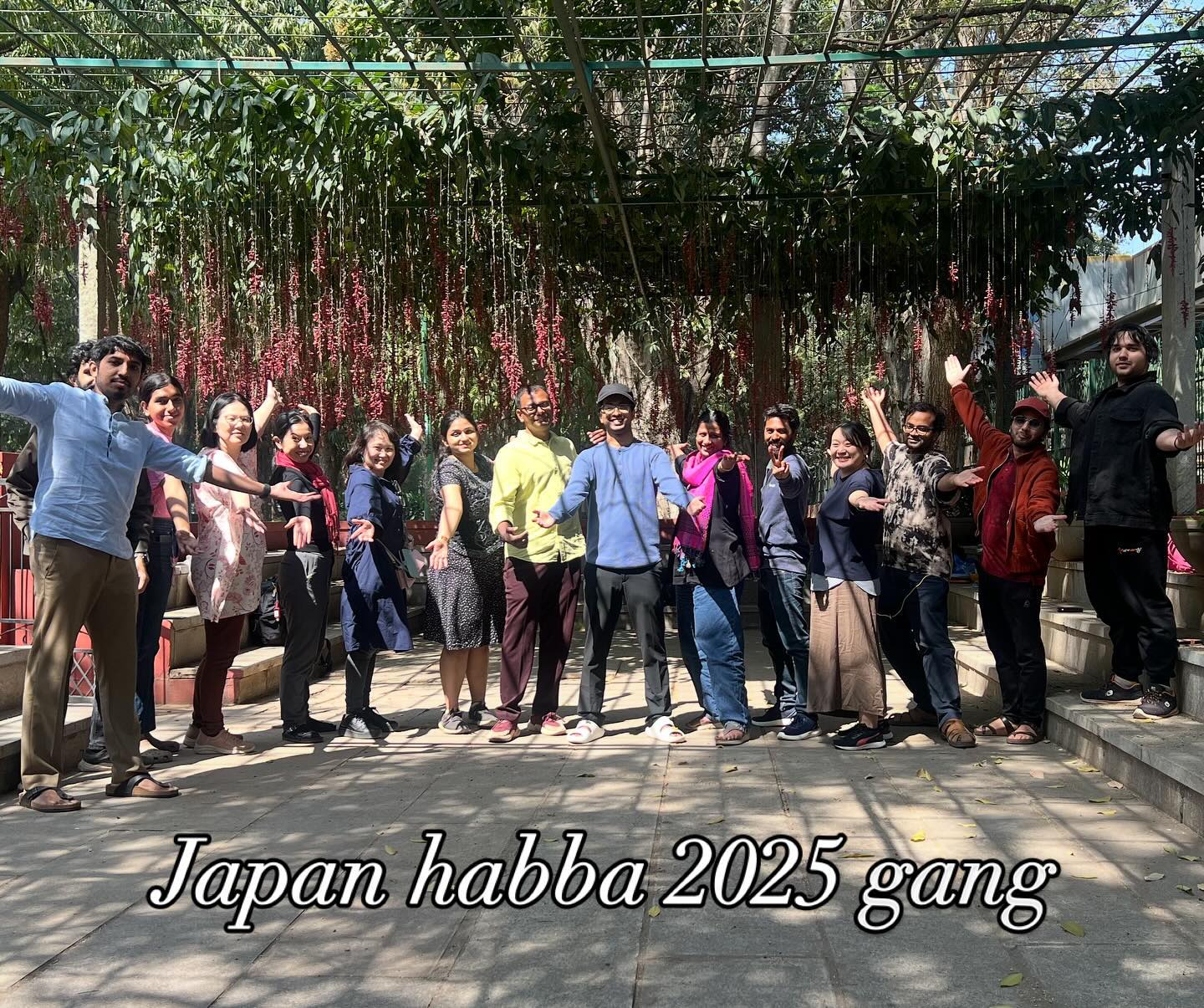
Minna Shuugou is a free monthly Indo-Japanese language and cultural meetup in Bengaluru. It gives Japanese people, learners, and curious newcomers a place to meet and talk. I design its posters and work on its website. Activities help attendees connect through conversation and shared experiences.

Jan–Apr 2025

Nov–Dec 2024

Tanishk Sharma@tanishkjsh

Adam Smith is often called the father of capitalism. His writing reveals a remarkably deep understanding of people, their motivations and how they exercise power.

Tanishk Sharma@tanishkjsh

This video helps explain why institutions arguably play the most important role in determining whether countries become rich or remain poor.

Jan–Oct 2024

Tanishk Sharma@tanishkjsh

Trade has shaped civilization. Understanding the Dutch East India Company explains so much about how modern maritime trade developed.

Tanishk Sharma@tanishkjsh

This comparison explains how differences in local government and implementation have shaped India’s and China’s economic growth.

2023

Tanishk Sharma@tanishkjsh

The lack of a strong manufacturing sector is a major reason so many Indian women are outside paid employment.

fluffbotics

fluffbotics was probably the first time everything I had learned over the previous decade came together in one place. I joined people I had known since school, assembled a small team across product, engineering, AI, growth, and eventually hardware, and got to work on problems that were difficult enough to require almost every skill I had accumulated. We started with an ambitious idea around LLMs and human consciousness.

2022

2021

Koo

I joined Koo when it had roughly 40,000 users. I met the founder, we spoke about product, and I got the job almost immediately. Six months later the product had around 10 million users.

2020

2019

2018

Openly

Openly was a hyperlocal marketplace for neighbourhood shops and customers. It helped local businesses reach nearby customers through consumer and merchant apps. I founded the company and built the apps, backend, and operations with the team. The marketplace reached about 10,000 users and more than 200 stores.

I was around 21 or 22 when I started Openly, and it was probably the most dynamic period of my life. I had moved to HSR before it became what it is today, gathered a group of friends who were still finishing college, and convinced them that we could build a company together. On the first day I was explaining to one of them what frontend and backend meant.

Shop

Old Royal Enfield Thunderbird illustration
Secondhand

Royal Enfield Thunderbird

The bike is generally in good condition. The battery has been changed recently, but the brakes need replacing.
View item
₹25,000

Illustration only. Actual photos to follow.

Very dark olive recliner illustration
Secondhand

Secondhand Recliner

Temporary image. Actual photos and item details to follow.

View item
₹5,000

Illustration only. Actual photos to follow.

More

What do you do?

Where are you from?

Loading results…

Send this post