I went through my ChatGPT chats over the last month to see what my days actually looked like: when I was using it, what I was doing, and how much time I spent in work mode. P.S. Unfortunately I have a Claude account as well and a lot of other work also happens outside of ChatGPT.
Great content by one of my favorite creators. I finally understand the origins of the industry where I have spent the first decade of my career! We have been standing on the shoulders of giants all along...
The Birth & Rise of India's IT Outsourcing Industry
Intnex started with an acquaintance bringing me an idea around using AI to evaluate exams. At first, my role was simply to talk it through with them: what the product actually was, whether the technology could solve the problem reliably, whether anyone would pay for it, and whether there was enough there to justify building a company. They decided to pursue it, and I became a mentor.
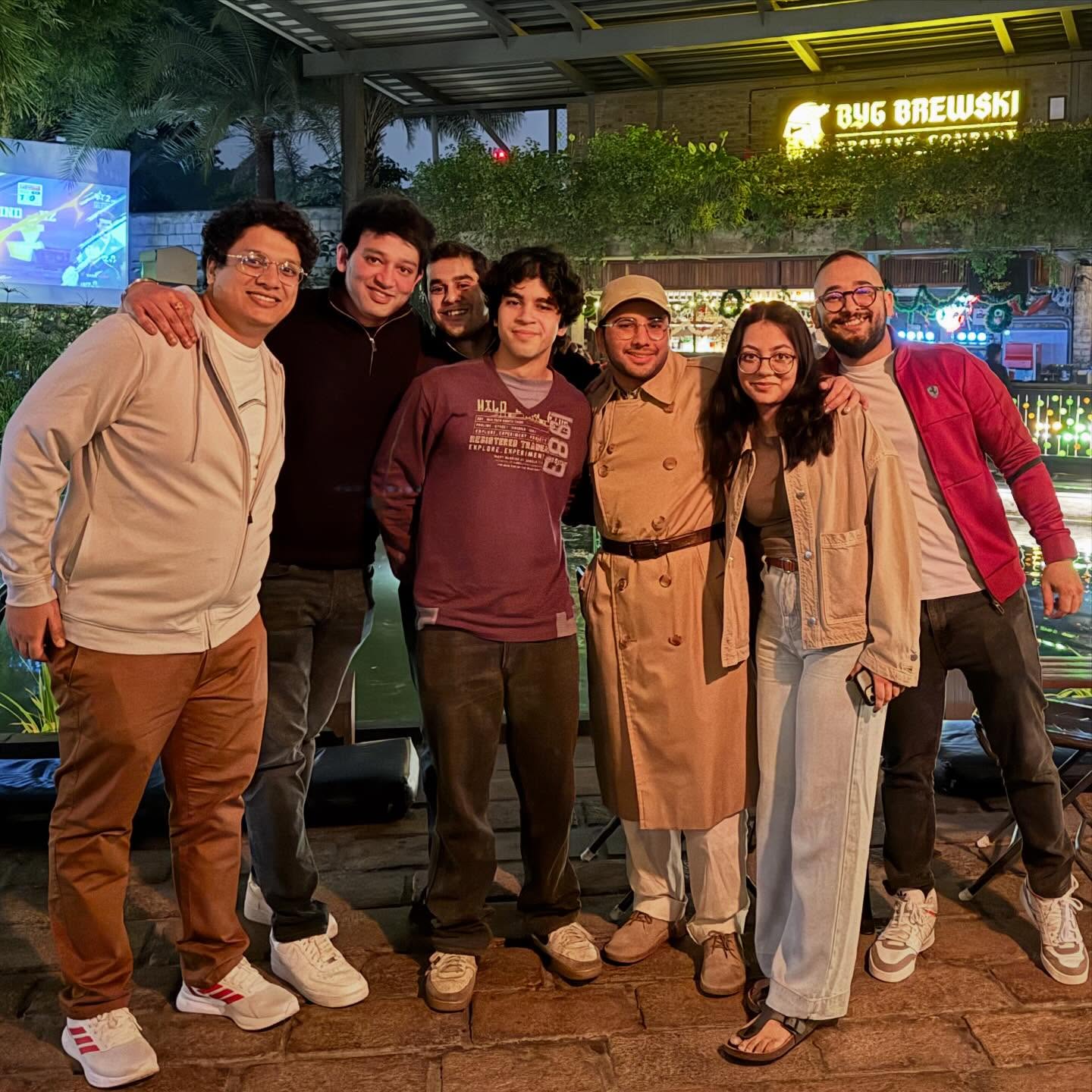
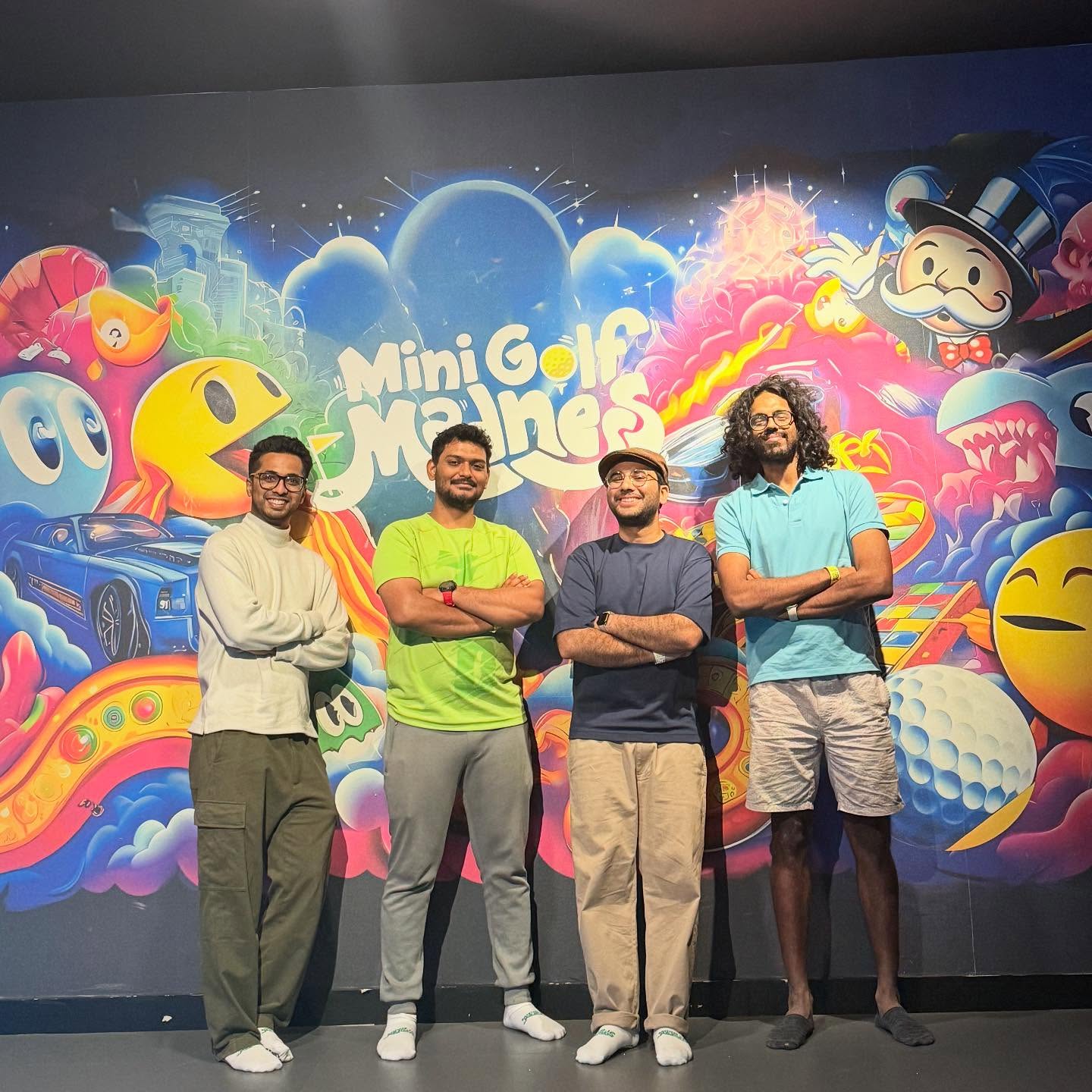
Every founder unlocks their domain expansion eventually, usually by the fourth loss-making startup.
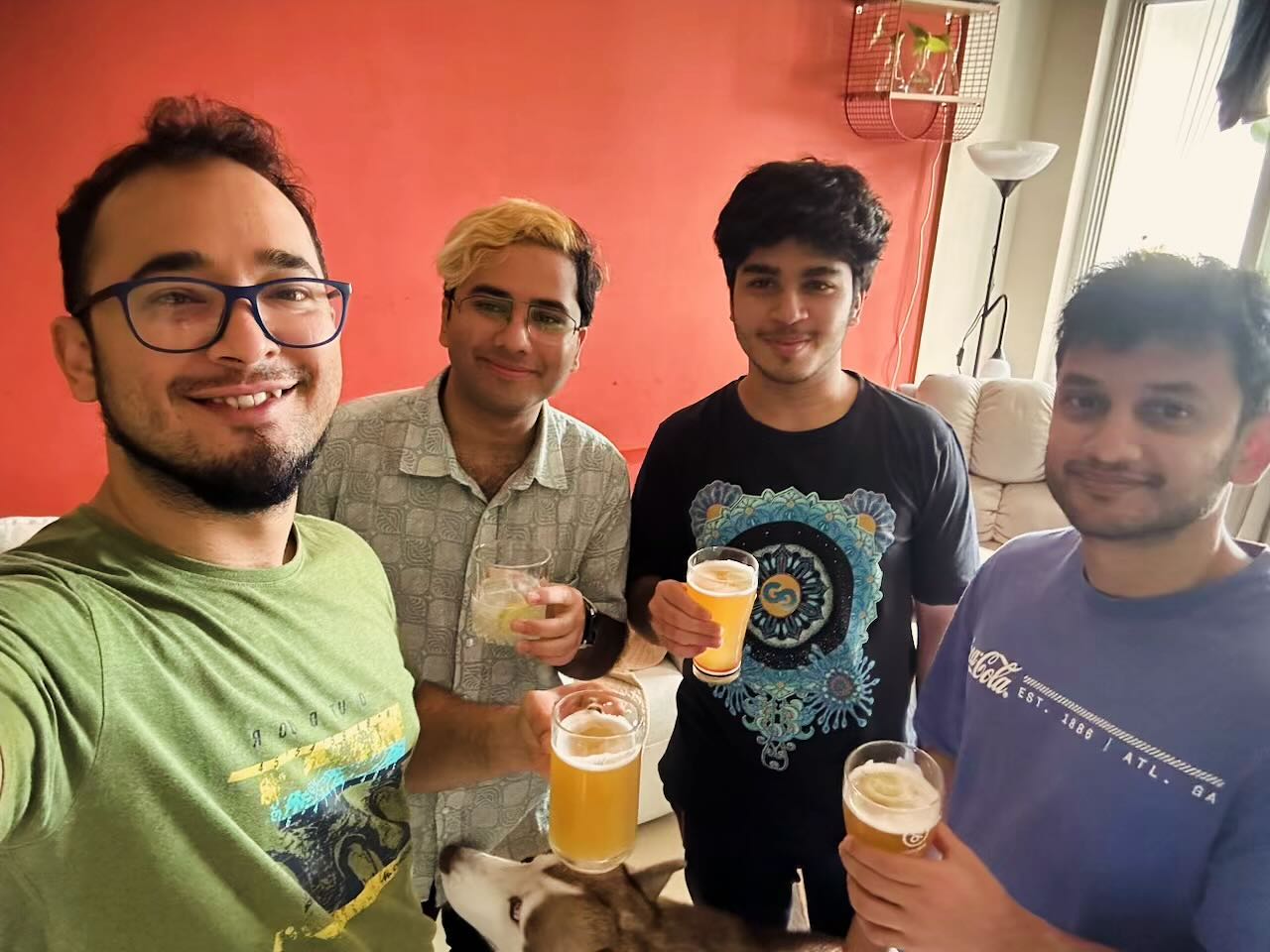
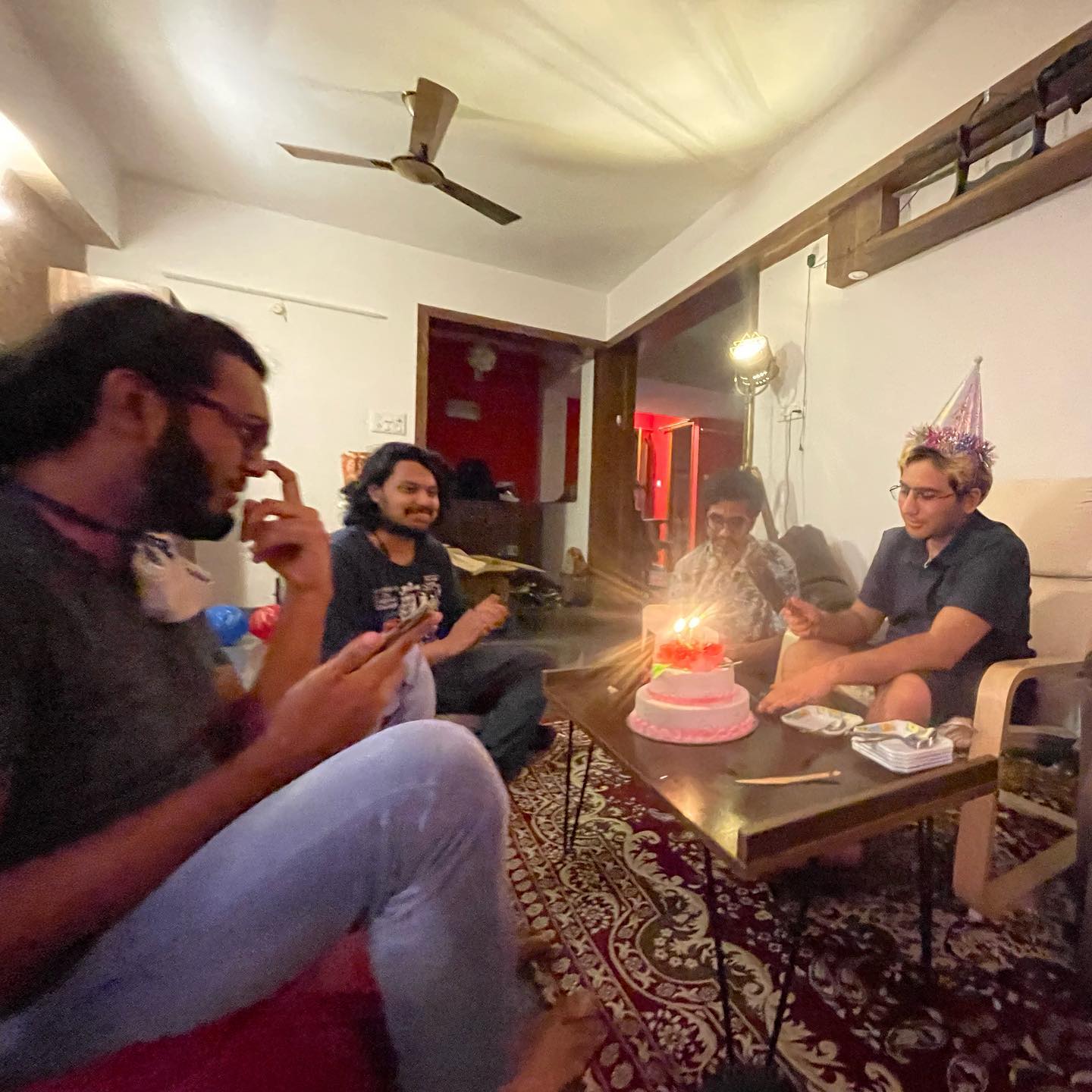
Mine is Unlimited Runway: a barrier technique that traps you in a 2BHK hacker house in Koramangala
where every bed is a bean bag, every wall is a whiteboard, six founders share zero revenue, and rent
is paid in equity. My cursed technique is announcing a sovereign LLM for Bharat, then shipping a
ChatGPT wrapper that burns 4x more cloud credits than the subscription revenue. The only escape is a
successful exit. We are pre-revenue, pre-idea. Nobody is leaving.
Space Jacket is a wearable cooling jacket for Indian summers. It aims to make hot-weather work and daily life more comfortable. I sourced the fan components and worked with a local factory on the garment. The first production run was about 200 units.
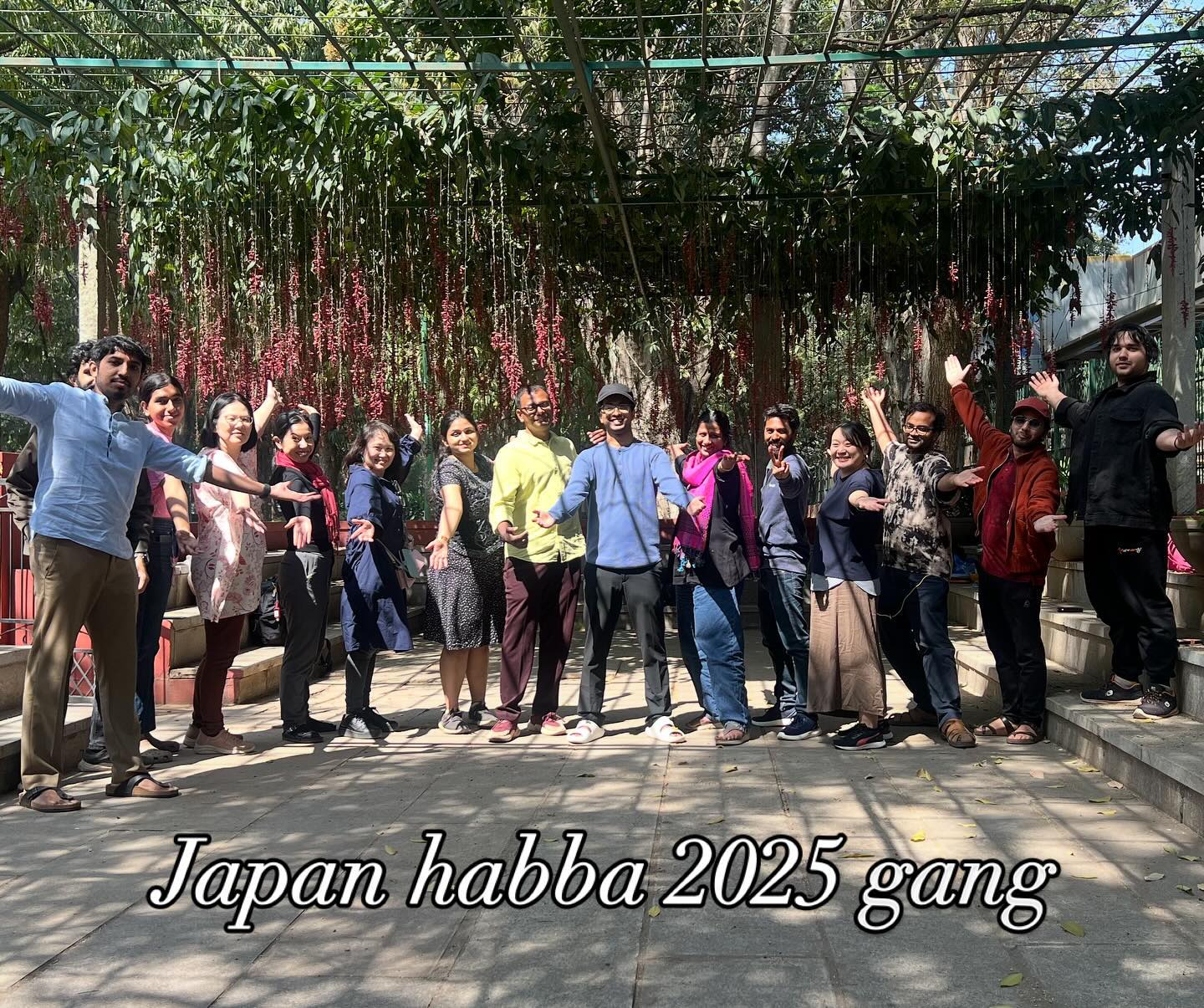
Japan Habba is a non-profit Japanese cultural festival in Bengaluru. It brings visitors, artists, performers, exhibitors, and communities together. I work mainly on sponsorships, exhibitors, brands, and partnerships. The next edition is planned as a larger two-day event.
Most of the rules you've been told don't exist. Here's how they spread.
Cast iron pans are almost indestructible. People have been cooking on them for generations. They've survived wood flames on open hearths, years of neglect in garages and basements, decades of daily cooking, and owners who treated them terribly. Yet somehow they've developed a reputation for being delicate. It usually sounds something like this: You have to season it constantly. No metal spatulas. Never cook acidic food. Can't wash it with detergents. Must dry it on the stove immediately. Oil it before putting it away. Follow all of these rules exactly, or you'll ruin the pan. That doesn't add up though… Metal spatulas have been used throughout history. Acidic foods like tomatoes, vinegar, and sauces are staples. People have washed their pans with soap for as long as soap has existed. It survives rust, long periods of storage, and years of neglect. The truth is much simpler. It doesn't need much at all. A little oil before cooking is enough. So how did we get here? Someone discovers a small trick. They pass it on. It works for others too, so it spreads again. The trick slowly becomes a recommendation. The recommendation gets repeated enough that it starts to sound like a rule. Once it becomes a rule, people stop asking what it was for in the first place. This pattern shows up everywhere. In cooking, in fitness, in most hobbies. A simple trick picks up layers of inherited advice and stops feeling simple at all. Most unnecessary complexity survives because no one stopped to ask why it exists.
Most products fail before a single line of code is written. Here's the three-step process to fix that.
Most builds fail before they start. People are already thinking about features before they've understood the problem, the context around it, or what outcome they actually want. The moment you're designing a solution, you stop seeing the problem clearly. The biggest favour you can do yourself is to focus on the problem alone and not get distracted by solutions. If there is one thing you take away from this article, that is it. Building a natural product sense takes years of exposure across industries, problems, and failed attempts. AI already has that exposure. Used correctly, it fills that gap, challenging your assumptions, surfacing what you're missing, and holding you to a structure you'd otherwise skip. Step 1: Define the Problem Break the problem down to its most core form. Write it down, then simplify it one step at a time. Use AI to challenge every word of it: What is the simplest way to state this problem? What assumptions am I already making about it? Is this actually the problem, or just a symptom of something deeper? When did this problem first appear, and what caused it? What will go wrong if I don't solve this? You only leave this step when the problem can't be simplified any further. Don't move on until you're fully satisfied. Step 2: Find the Context This step is about discovering who else has this problem and how they're dealing with it. Use AI to find parallels across industries and surface connections you wouldn't reach on your own: Who else has this problem, and where does it show up? What solutions already exist, and are people paying for them? Why aren't those solutions good enough? What are other problems like this, from other industries? What is the fallout if this problem stays unsolved? At the end of this step, you either have proof that the problem is real and unsolved, or you've already found your answer in a parallel from another industry, or in a solution that already exists that you simply didn't know about. The problem you think you have is rarely the one worth solving. Step 3: Clarify the Outcome Define the final outcome you want. Whatever solution you eventually find or build, this step is about what it needs to achieve. You are not thinking about how yet, only what the end state looks like: What does solving this problem actually achieve? What is the first sign that this problem is going away? Is there another way to achieve this outcome without building anything new? How will you know when the problem is fully solved? Is this outcome solving the problem, or just making it more bearable? Is this outcome worth the effort it would take to reach it? You leave this step with a clear end state that maps directly back to the problem you defined. This is what every decision from here will be measured against. Before You Build Most failed products weren't badly built. They were badly defined. The problem was wrong, the context was unexplored, and the outcome was never clearly stated. No amount of good execution fixes that. Go through each step fully. Don't skip ahead. The clarity you build here is what makes everything after it easier. AI can help you move faster through this process, but you have to be the one doing the thinking. Don't blindly trust what AI produces. AI words can look complete and still say nothing. The human has to go through this journey and use AI as an input, not as the answer. That mindset is what separates a build that works from one that doesn't.
Gems is an interactive collection of gemstones with different cuts, colours, and materials. Visitors can open stones full screen and explore their appearance. I created it to put playable gemstones on my website. A shared renderer draws the cuts and lighting.
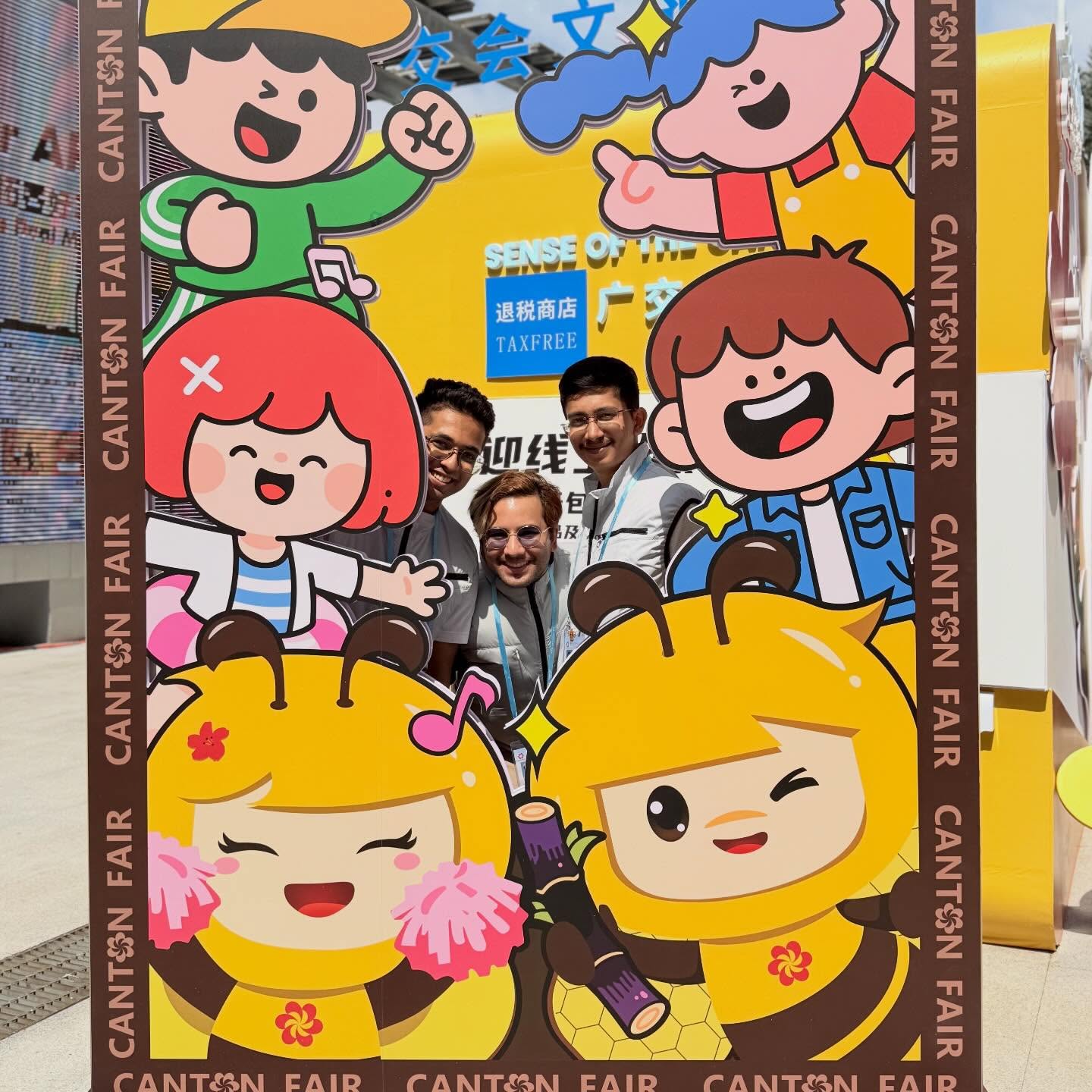
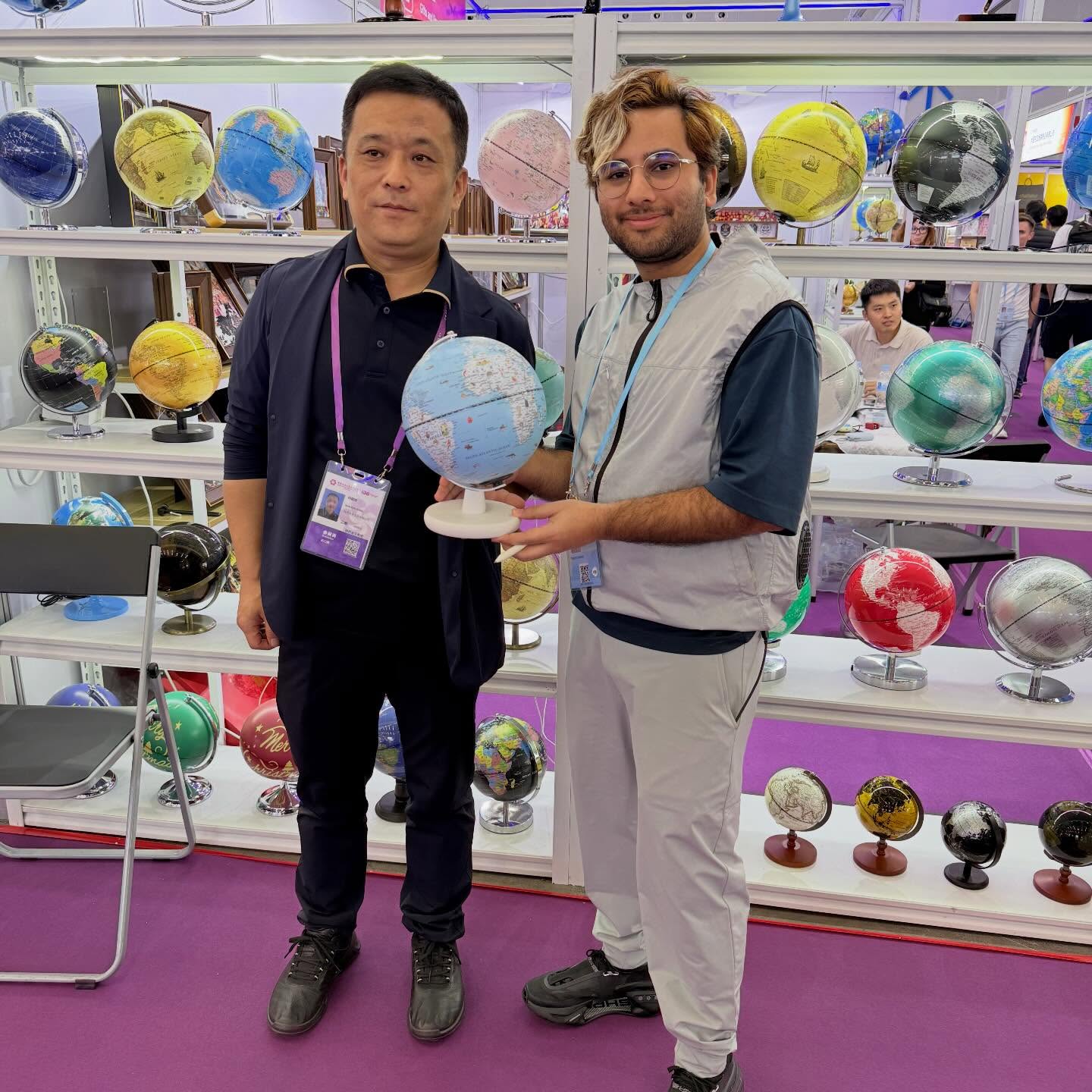
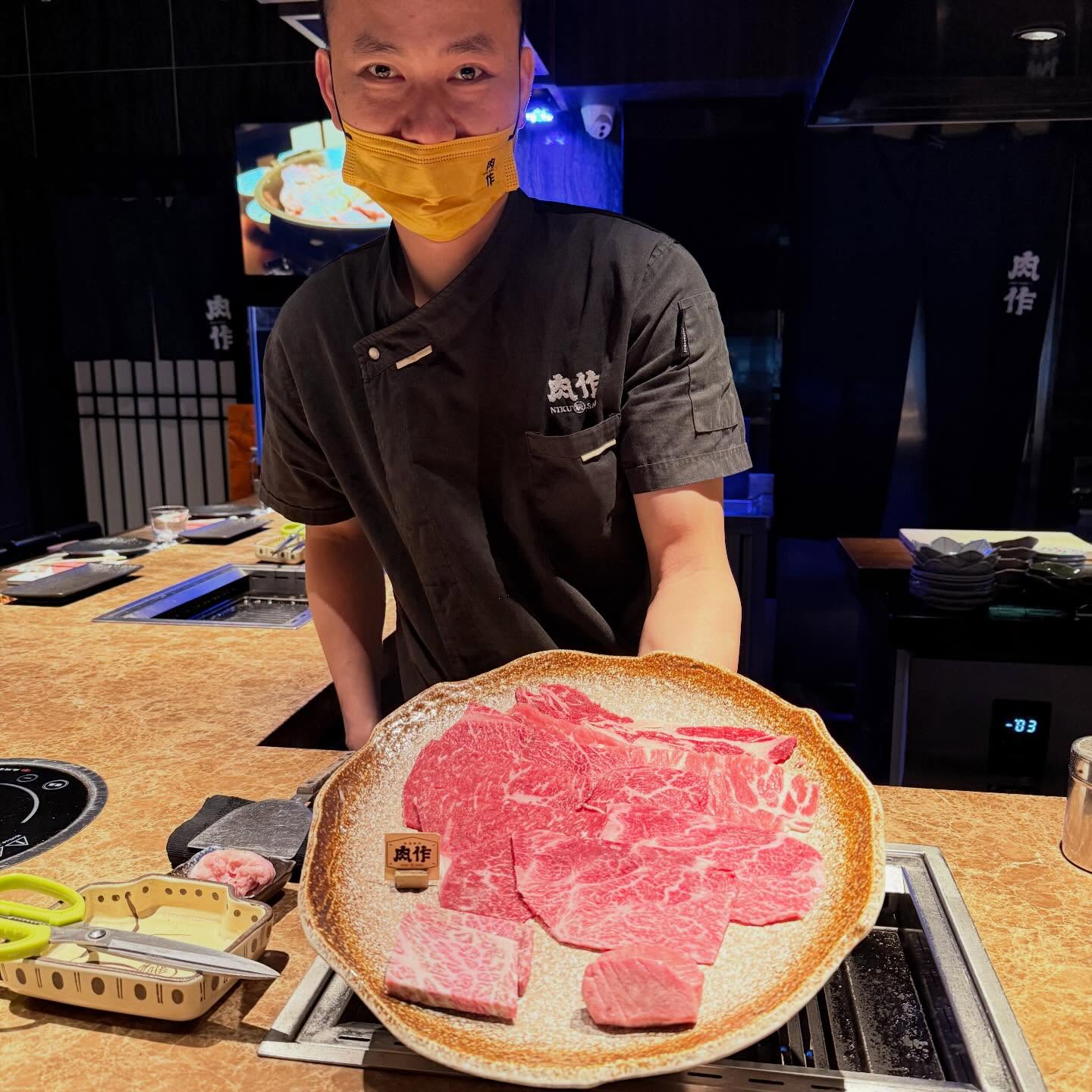
Most of my career had been in startups and IT around Bangalore. During our second pivot at NeoHumans, we started building AI toys. That took me to the Canton Fair in China in late October 2025, followed by the Nuremberg and New York Toy Fairs in January and February. Three very different markets in about four months. We went to find suppliers, present our products and make connections, and got a fairly thorough education in international business along the way.
Minna Shuugou is a free monthly Indo-Japanese language and cultural meetup in Bengaluru. It gives Japanese people, learners, and curious newcomers a place to meet and talk. I design its posters and work on its website. Activities help attendees connect through conversation and shared experiences.
fluffbotics was probably the first time everything I had learned over the previous decade came together in one place. I joined people I had known since school, assembled a small team across product, engineering, AI, growth, and eventually hardware, and got to work on problems that were difficult enough to require almost every skill I had accumulated. We started with an ambitious idea around LLMs and human consciousness.
I joined Koo when it had roughly 40,000 users. I met the founder, we spoke about product, and I got the job almost immediately. Six months later the product had around 10 million users.
Openly was a hyperlocal marketplace for neighbourhood shops and customers. It helped local businesses reach nearby customers through consumer and merchant apps. I founded the company and built the apps, backend, and operations with the team. The marketplace reached about 10,000 users and more than 200 stores.
I was around 21 or 22 when I started Openly, and it was probably the most dynamic period of my life. I had moved to HSR before it became what it is today, gathered a group of friends who were still finishing college, and convinced them that we could build a company together. On the first day I was explaining to one of them what frontend and backend meant.